
Dalmatian Toadflax

Dalmatian Toadflax
(Linaria genistifolia spp dalmatica)
Priority: - Contain / Annual Control
Tags: Agricultural | Terrestrial | Toxic | Biocontrol
Identification and Reproduction
Identification
- Perennial plant with an extensitve root system.
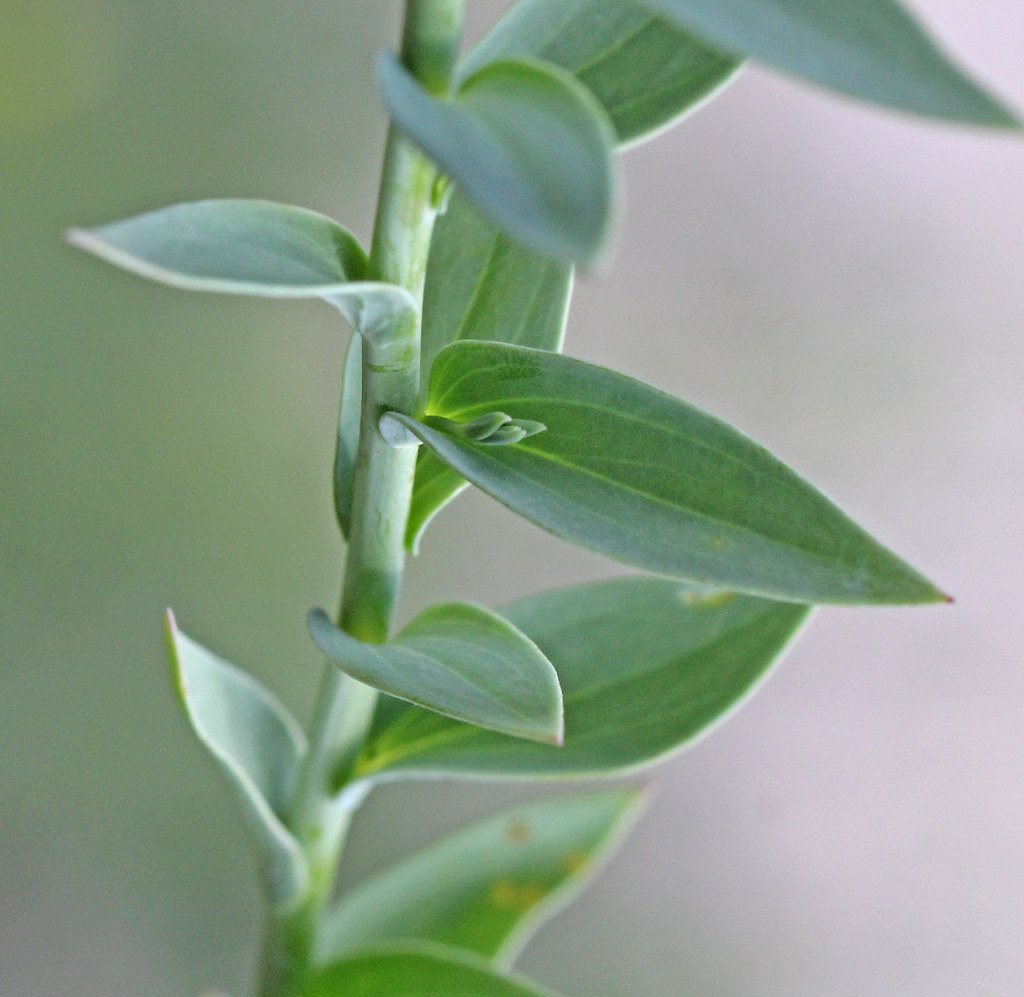
- Yellow flowers resemble snapdragons, leaves are heart-shaped.
- Leaves are pale green, rubbery, alternate and clasp to the stem.
- Has milky sap.

Reproduction
- This plant may have dozens of flowering stems so it is a very prolific seeder (up to 500,000 annually). Seeds are spread by wind, animals, and people.
- It spreads by lateral roots as well.
- Vertical roots may extend down 2 meters.
Habitat & Ecology
- Invades forest plantations, pastures, hay fields, grasslands, fields and disturbed sites.
- Dalmatian toadlfax prefers coarse soils.
- Survives as a root crown through winters.
Impacts
Social:
- Poisonous to livestock.
Ecological:
- Competes and displaces native forage species, as well as native grasses and wildflowers.
Management
Mechanical/Manual Control:
- Small patches or individual plants can easily be dug up.
- Ensure that all root fragments are collected to prevent regrowth.
- Avoiding mowing or burning as this will encourage growth.
Biological Control:
- Does have natural enemies, including a beetle, moths and several weevils. They attack and feed on the shoots, leaves and roots. Often in larvae form they will feed and slowly kill the plant.
Resources
- Datasheet on Dalmatian Toadflax: CABI Compendium
- Dalmatian toadflax identification and control: King County
- Note that this is a US site, Canadian guidelines and reguations may differ. Be sure to read product and chemical labels prior to use.
Header photo (Stefan Lefnaer).


News

Chilliwack River Knotweed Walks 2026
Join us for a FREE walk along the Rotary Trail and learn more about knotweed in the Chilliwack-Vedder River! Saturdays: July 11 • Aug 1 • Aug 22 • Sept 12 - 10:00 am - 11:30 am

Tansy Ragwort Pickup 2026
If you pull out Tansy Ragwort on your property, we will come pick up your bags for disposal!